The most common cause of reduced eye function in children is 'refractive error' which includes moderate to high astigma, moderate to high myopia, and anisometropia. From data compiled by the Data and Information Center (Pusdatin) of the Ministry of Health (Kemenkes) taken from the body According to WHO world health, Indonesia is included in the five countries with the largest population experiencing visual impairment. Indonesia is in fourth place after China, India and Pakistan. Sadly, 400 out of 1,000 Indonesian children apparently have eye problems or premature refractive errors. The use of gadgets is suspected to be the cause of increasing problems with visual impairment in children.
The most common cause of reduced eye function in children is 'refractive error' which includes moderate to high astigma, moderate to high myopia, and anisometropia. From data compiled by the Data and Information Center (Pusdatin) of the Ministry of Health (Kemenkes) taken from the body According to WHO world health, Indonesia is included in the five countries with the largest population experiencing visual impairment. Indonesia is in fourth place after China, India and Pakistan. Sadly, 400 out of 1,000 Indonesian children apparently have eye problems or premature refractive errors. The use of gadgets is suspected to be the cause of increasing problems with visual impairment in children.
Refractive errors remain a major public health concern in Indonesia, with an estimated 25% of the population affected, while the use of corrective lenses remains relatively low at approximately 12.5%. National data indicate a prevalence of 0.9% severe visual impairment or low vision across all age groups, although these figures do not differentiate by specific refractive error subtypes.
Among children and adolescents, numerous studies consistently report refractive errors as the most prevalent ocular condition, with the prevalence of ametropia ranging from 20% to 30% in school-age populations, depending on study location and methodology. Astigmatism frequently emerges as the leading subtype in pediatric patients and is a significant risk factor for amblyopia when left uncorrected.
In Central Java Province, school-based screening studies conducted in Semarang demonstrate a marked disparity in myopia prevalence between urban (37%) and rural (16%) primary school populations, underscoring a substantial burden of uncorrected refractive error in urban settings. With an estimated population of 37–38 million (2023), extrapolation of national estimates suggests that millions of residents in Central Java require refractive correction and eye health services.
Despite this burden, routine school vision screening programs are inconsistent and lack comprehensive coverage. While the Provincial Eye Health Center (BKIM) plays a critical coordinating role, its current capacity is insufficient to serve all 35 districts and cities in the province without strengthened referral networks and partnerships with regional hospitals, primary health centers, and the private sector.
The beneficiaries of this project are children aged 6 -19 years, parents, teachers, The Community which are not reached by public services.
This project aims to check eye health for refraction and educate the public on how to care for their eyes properly, as well as providing guidance observation and treatment of these people to keep their eyes requiring further care. By holding educational activities, it is hoped that it can increase public awareness of eye health.
The eye doctors who work in these eye clinics.These mobile eye clinics will do just that operates in remote areas, such as suburbs and villages in Semarang and its surroundings.
Implementation of mobile eye clinics will help these people get immediate treatment without having to leave their hospitals area. This is a free eye exam that will be performed frequently. Public areas such as schools, community gathering points, village parks or the village hall will be a place for examinations where people can meet with an eye doctor and receive appropriate treatment
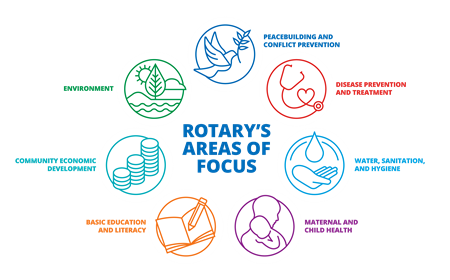
Our goals in disease prevention and treatment by:
• Improving the capacity of local health care professionals, empowering capacity of William Booth Hospital and Public Health
• Promoting disease prevention and treatment programs that limit the spread of noncommunicable diseases, early examination of the community, related to eye health
• Strengthening health care systems. In the initial eye health screening activity, if there is eye pain or abnormalities, we will be referred for further treatment, in coordination with the local health center.
In Semarang Regency, there are 509 primary schools (SD) and 192 junior secondary schools (SMP), making a total of 701 schools catering to children and adolescents, and there are 208 villages. In Semarang Regency, there are 26 community health centers (puskesmas), each overseeing a defined working area that includes multiple villages and schools.
A training session will be held for 300 participants, including elementary school teachers and local health workers from nearby Puskesmas in the Semarang region.
The program aims to raise awareness about the importance of maintaining eye health and to provide guidance on treatment and management for individuals experiencing eye disorders or vision impairment.
A mobile eye clinic service is planned to operate twice a month. The service will be provided by the medical team from William Booth Hospital. Within one year, the program will cover 24 service points, either in elementary schools or community groups. Each service is targeted to reach 100–150 people, so that in total, more than 2,500 individuals will benefit from this program annually.
During the service, corrective eyeglasses will be provided for those whose examination results indicate the need. However, if further treatment is required, a referral letter to BPJS ((Badan Penyelenggara Jaminan Sosial), as Social Security Administration Agency will be issued, making it easier for the community to access comprehensive care for subsequent treatment.